Quick Facts
About the Snow Leopard
Habitat
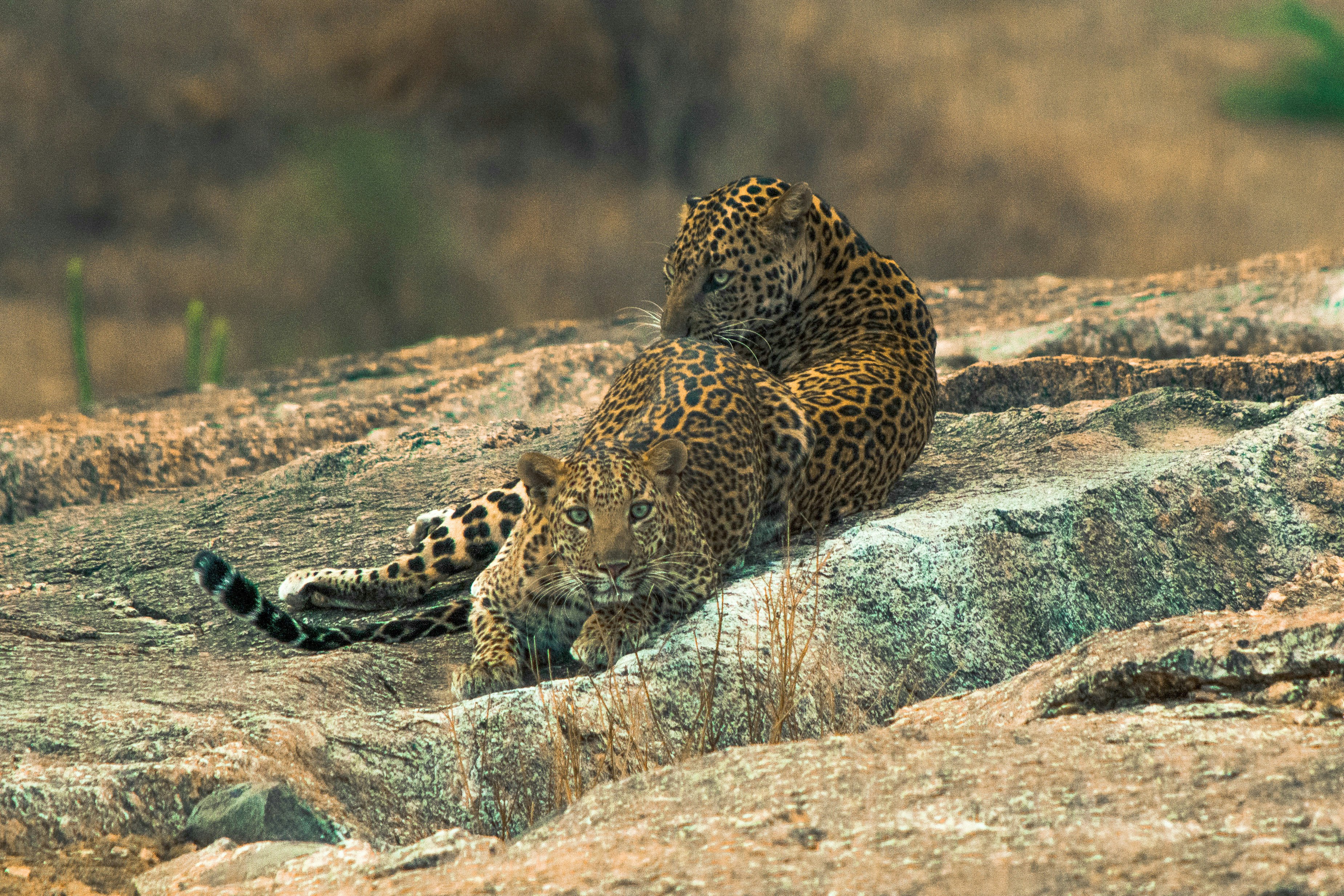
Snow leopards inhabit the rocky mountain ranges of Central Asia, spanning 12 countries including Nepal, India, China, and Russia. They prefer steep, broken terrain at elevations between 3,000 and 5,500 meters, where their spotted coats provide perfect camouflage against grey rock and snow.
Diet & Hunting
As apex predators, snow leopards primarily hunt blue sheep (bharal), Himalayan tahr, ibex, and marmots. They can take prey up to three times their own weight. Unlike other big cats, they cannot roar — instead communicating through chuffing, mewing, and prusten (a gentle "puffing" sound).
Behavior
Snow leopards are solitary and crepuscular, most active at dawn and dusk. They're extraordinarily elusive, earning the nickname "ghost of the mountains." Their thick, smoke-grey and yellow-tinged fur with dark rosettes provides exceptional camouflage, making them incredibly difficult to spot in the wild.
Conservation Status
Listed as Vulnerable on the IUCN Red List, snow leopard populations have declined by 20% over the past two decades due to poaching, habitat loss, and prey depletion. Current estimates suggest only 4,000–6,500 individuals remain in the wild.
Organizations like the Snow Leopard Trust work with local communities across 12 range countries to monitor populations, reduce human-wildlife conflict, and develop sustainable livelihoods that incentivize coexistence.
Safety &
Ethical Guidelines
Observe from Distance
Always maintain at least 100 meters from wild snow leopards. Use binoculars or telephoto lenses. Getting close causes stress and can disrupt natural behaviors like feeding or denning.
Minimize Noise
Keep voices low and avoid sudden movements. Snow leopards are highly sensitive to sound disturbances, particularly during dawn and dusk when they're most active.
No Flash Photography
Flash photography can startle and permanently alter the behavior of snow leopards. Use natural light or specialist wildlife photography equipment with silent shutters.
Leave No Trace
Pack out all waste from mountain environments. Discarded food attracts domestic animals and can create dangerous habituation where snow leopards associate humans with food sources.
Report Sightings
Report any sightings to local wildlife authorities or organizations like the Snow Leopard Trust. Your data contributes to population monitoring and conservation research.
Hire Local Guides
Always trek in snow leopard habitat with certified local guides. They understand animal behavior, know safe viewing sites, and your fees directly support conservation-friendly livelihoods.